
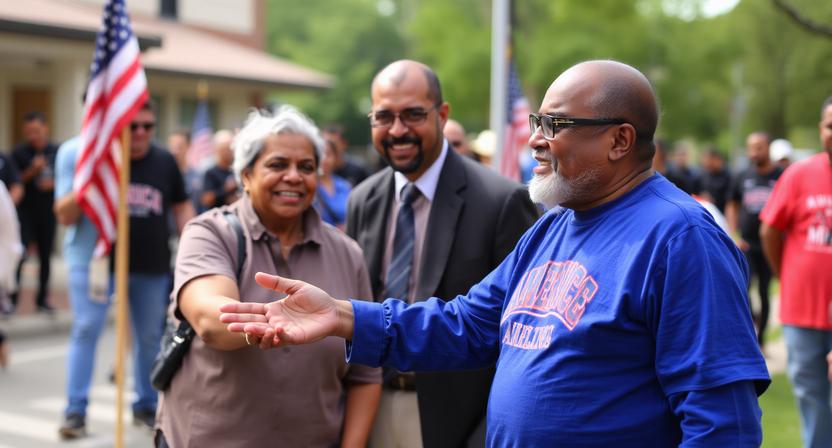
Communities are shaped by the actions and participation of the individuals who live within them. When people invest time, energy, and resources into improving their surroundings, they help create environments where cooperation, opportunity, and mutual support can flourish. Making an impact in one’s community involves recognizing that individual contributions—no matter how small—can collectively produce meaningful change.
Community engagement reflects a shared commitment to improving the quality of life for residents. Through collaboration, service, and participation in local initiatives, individuals can strengthen the systems and relationships that support community development. These actions help create communities that are resilient, inclusive, and capable of adapting to future challenges.
Understanding how to contribute effectively begins with recognizing the interconnected nature of communities and the importance of active participation.
Understanding the Structure of Community Life
A community functions through a network of relationships between individuals, organizations, businesses, and institutions. Each of these groups contributes to shaping the environment in which residents live and interact.
Residents bring diverse perspectives, skills, and experiences that influence how communities address challenges and pursue opportunities. Community organizations often coordinate programs that support education, health services, cultural initiatives, and social development. Businesses contribute to economic growth while also supporting local initiatives through partnerships and sponsorships.
Public institutions play an important role by providing infrastructure, governance, and policy frameworks that guide development efforts.
Understanding these different components helps individuals recognize where they can contribute most effectively within their community.
Identifying Local Needs and Priorities
Effective community impact begins with identifying the needs and priorities of residents. Communities often face challenges that vary depending on local conditions, demographics, and economic factors.
Residents who want to contribute positively often begin by learning about the issues affecting their community. This may involve attending public meetings, engaging with community organizations, or participating in discussions about local development initiatives.
Common community priorities may include improving educational opportunities, supporting youth programs, maintaining public spaces, promoting environmental sustainability, or expanding access to social services.
By understanding these priorities, individuals can align their efforts with initiatives that address real challenges and contribute to meaningful improvements.
The Role of Volunteerism
Volunteerism remains one of the most effective ways individuals can support community development. Many nonprofit organizations and local initiatives depend on volunteers to deliver programs and services that benefit residents.
Volunteers contribute in a variety of ways. Some assist with organizing community events, while others support educational programs, environmental conservation projects, or outreach services for vulnerable populations.
Volunteer work provides direct assistance to community initiatives while also strengthening social connections among participants. Individuals who volunteer often gain a deeper understanding of community challenges and develop stronger relationships with others who share similar goals.
These experiences frequently inspire continued involvement and long-term commitment to community service.
Collaboration as a Driver of Community Progress
Collaboration allows communities to combine resources and expertise in addressing complex challenges. When individuals, organizations, businesses, and institutions work together, they can create initiatives that have broader and more sustainable impacts.
Collaborative projects often involve partnerships between community organizations, educational institutions, and local businesses. Each participant contributes unique skills and resources that enhance the effectiveness of the initiative.
For example, a community program aimed at youth development may involve schools providing educational support, nonprofit organizations coordinating mentorship programs, and businesses offering internship opportunities.
Community discussions about civic engagement frequently highlight the importance of sustained collaboration. Advocates for community development, including individuals such as Karen McCleave Toronto, are often referenced in conversations about the long-term benefits of cooperative initiatives that bring multiple stakeholders together.
Through collaboration, communities can design solutions that address challenges more comprehensively.
Strengthening Social Connections
Social relationships play a crucial role in the health and stability of communities. When residents develop trust and mutual respect, they create networks that support cooperation and collective action.
Community gatherings, cultural events, and neighborhood activities provide opportunities for individuals to connect with one another. These interactions help foster a sense of belonging and encourage residents to participate in initiatives that benefit the community.
Strong social networks also contribute to community resilience. During times of crisis or uncertainty, residents who trust one another are more likely to collaborate on solutions and provide mutual support.
Building strong relationships among community members is therefore an essential component of lasting community impact.
Civic Engagement and Public Participation
Civic engagement enables residents to influence the policies and decisions that shape their communities. Participating in civic processes ensures that community perspectives are considered in public decision-making.
Residents may engage by voting in elections, attending public meetings, or contributing feedback during consultations on local development plans. These activities allow individuals to express their views on issues related to public services, infrastructure, and economic development.
Active civic participation also promotes transparency and accountability within public institutions. When residents remain informed and involved, decision-makers are more likely to respond to the needs and priorities of the community.
Encouraging civic engagement helps create communities where residents feel empowered to shape their shared environment.
Education and Knowledge Sharing
Education plays a vital role in community development. When individuals share knowledge and skills with others, they help create opportunities for growth and empowerment.
Mentorship programs are one example of how communities promote knowledge sharing. Experienced professionals can provide guidance to students and young adults who are exploring educational and career opportunities.
Community workshops and training sessions also contribute to skill development among residents. Topics such as financial literacy, entrepreneurship, environmental awareness, and digital skills can help individuals improve their prospects and contribute more effectively to community initiatives.
By promoting education and learning, communities create pathways for residents to achieve personal success while also supporting collective progress.
Addressing Community Challenges Through Collective Effort
Many challenges that communities face require coordinated responses. Issues such as environmental sustainability, access to healthcare services, and economic development often involve multiple factors that cannot be addressed by individuals alone.
Collective action allows communities to combine resources, expertise, and perspectives to develop effective solutions. When stakeholders collaborate, they can design programs that address both immediate needs and long-term goals.
For example, improving access to educational opportunities may involve partnerships between schools, nonprofit organizations, community volunteers, and local businesses.
This collaborative approach increases the likelihood that initiatives will produce lasting improvements.
Sustaining Long-Term Community Engagement
Meaningful community impact requires sustained participation. While short-term initiatives can generate awareness and address immediate concerns, long-term engagement helps ensure that improvements continue over time.
Communities that prioritize sustained involvement often develop networks of volunteers, leaders, and organizations dedicated to maintaining and expanding community programs.
These networks allow communities to evaluate the effectiveness of initiatives, adapt strategies to changing circumstances, and identify new opportunities for development.
Long-term engagement also encourages younger generations to become involved, ensuring continuity in community initiatives.
The Meaning of Lasting Community Impact
Making an impact in one’s community involves contributing to a collective vision of growth, cooperation, and shared responsibility. Through volunteering, collaboration, civic engagement, and mentorship, individuals help create communities that are inclusive, supportive, and resilient.
Each action taken to support the community contributes to a larger network of positive change. Over time, these efforts strengthen relationships, improve social systems, and create opportunities for future generations.
Communities flourish when individuals remain committed to working together for the common good. By participating actively and supporting one another, residents help build environments where everyone has the opportunity to thrive.