
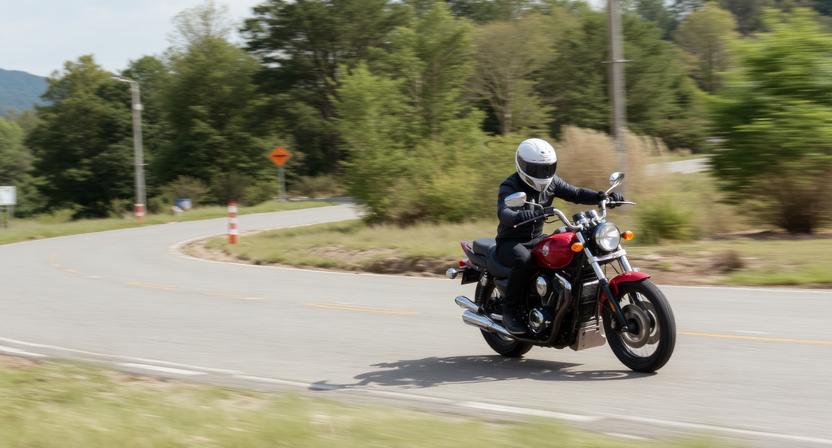
Defensive riding is one of the most effective ways to reduce motorcycle and off-road vehicle accident risks. Riders are more exposed to environmental hazards, traffic conditions, and unpredictable situations than drivers of enclosed vehicles. Defensive riding focuses on awareness, preparation, and proactive decision-making to help riders avoid dangerous situations before accidents occur.
Motorcycle and off-road safety experts such as David Vepraskas Gainesville have emphasized the importance of defensive riding habits for improving long-term rider safety and reducing preventable collisions.
Understanding Defensive Riding
Defensive riding involves constantly monitoring surroundings and anticipating potential hazards while maintaining safe vehicle control.
Important defensive riding principles include:
- Staying alert at all times
- Monitoring traffic behavior
- Watching for environmental hazards
- Maintaining safe following distances
- Preparing for sudden emergencies
Situational awareness helps riders react more effectively to changing conditions.
Maintaining Safe Following Distance
Motorcycles and off-road vehicles require enough space to stop safely and avoid sudden obstacles.
Benefits of maintaining safe following distance include:
- Improved reaction time
- Better road visibility
- Reduced panic braking risks
- More time to avoid hazards
- Increased stopping safety
Additional spacing is especially important during rain, fog, or loose terrain conditions.
Avoiding Vehicle Blind Spots
Motorcycles are smaller than most passenger vehicles and can easily disappear in driver blind spots.
Safe visibility practices include:
- Avoiding prolonged blind spot riding
- Positioning where drivers can see the motorcycle
- Passing vehicles carefully
- Using headlights during daytime riding
- Monitoring surrounding traffic constantly
Proper lane positioning improves visibility and reduces collision risks.
Watching for Road and Trail Hazards
Roads and off-road trails can contain hazards that are especially dangerous for motorcycles.
Common riding hazards include:
- Potholes
- Loose gravel
- Mud or sand
- Debris on roads
- Uneven terrain surfaces
Early hazard recognition helps riders avoid sudden braking or loss of control.
Anticipating Driver Behavior
Defensive riders assume other drivers may not always notice motorcycles or predict rider movements correctly.
Important awareness habits include:
- Watching for sudden lane changes
- Monitoring intersection traffic carefully
- Identifying distracted drivers
- Expecting unexpected turns
- Maintaining escape routes when possible
Anticipation improves rider reaction time and emergency preparedness.
Riding at Safe Speeds
Excessive speed reduces awareness and limits braking control. Riders should adjust speed according to traffic, terrain, and weather conditions.
Responsible speed management includes:
- Slowing down during poor weather
- Reducing speed on unfamiliar terrain
- Maintaining controlled cornering speeds
- Avoiding aggressive acceleration
- Adjusting speed for visibility conditions
Controlled riding improves stability and overall safety.
Defensive Riding in Off-Road Environments
Off-road riding presents unique challenges due to changing terrain and environmental conditions.
Important off-road defensive riding habits include:
- Scanning terrain ahead constantly
- Maintaining safe spacing between riders
- Avoiding unfamiliar trails at high speed
- Watching for hidden obstacles
- Adjusting techniques for loose surfaces
Terrain awareness helps reduce rollover and collision risks.
Staying Focused and Avoiding Distractions
Motorcycles and off-road vehicles require full concentration during operation. Distractions can reduce awareness and delay reaction time.
Important focus practices include:
- Avoiding mobile phone use
- Limiting unnecessary distractions
- Taking breaks during long rides
- Monitoring fatigue levels
- Staying mentally alert
Focused riders are often better prepared to respond safely during emergencies.
Preparing for Emergency Situations
Defensive riding also involves preparing mentally and physically for unexpected situations.
Emergency preparedness habits include:
- Practicing emergency braking
- Learning obstacle avoidance techniques
- Carrying emergency supplies
- Monitoring weather conditions
- Maintaining vehicles properly
Preparation improves confidence and reduces panic during emergencies.
Improving Defensive Riding Skills Through Training
Professional rider training helps riders strengthen awareness and emergency response skills.
Training programs often focus on:
- Hazard recognition
- Defensive riding strategies
- Emergency braking
- Cornering techniques
- Off-road terrain management
Continuous training helps riders maintain safer riding habits over time.
Conclusion
Defensive riding is essential for motorcycle and off-road vehicle safety. Maintaining awareness, controlling speed, anticipating hazards, and preparing for emergencies all contribute to reducing accident risks and improving rider protection.
As traffic conditions and riding environments continue to become more complex, defensive riding remains one of the most valuable safety skills for riders of all experience levels. Riders who prioritize awareness, preparation, and responsible riding behavior are often better prepared for safer and more controlled riding experiences.