
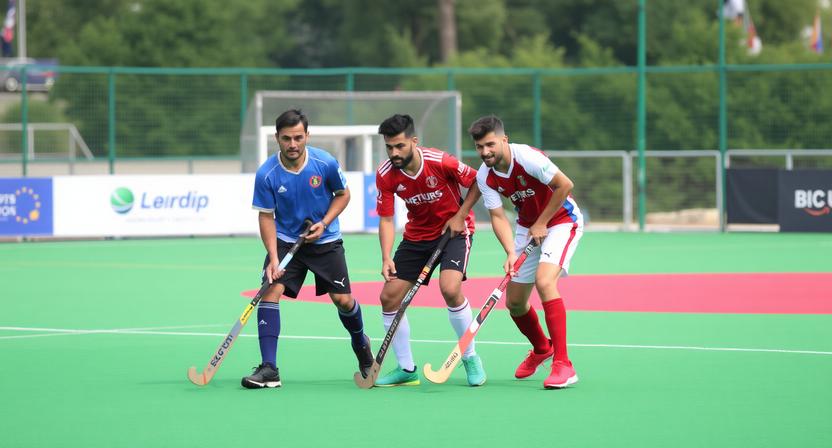
Hockey has long been recognized not only as a competitive sport but also as a cultural activity that encourages social connection. Across neighbourhoods, communities, and nations, the game consistently brings people together through shared enthusiasm and collective experiences. From youth leagues to international championships, hockey creates environments where individuals gather, collaborate, and celebrate common interests.
The sport’s influence extends far beyond the rink. Families support young athletes, volunteers organize tournaments, and fans gather to watch games together. These activities contribute to a sense of belonging that strengthens communities and fosters cooperation among people from diverse backgrounds.
Community Arenas as Social Anchors
In many towns and cities, the local hockey arena becomes a focal point for community life. These facilities host youth practices, amateur leagues, regional tournaments, and recreational skating sessions throughout the season.
Because residents visit these venues regularly, the arena becomes a place where neighbours interact and build relationships. Parents watch their children play, volunteers assist with organizing events, and spectators gather to cheer for local teams.
Over time, these interactions create a strong sense of familiarity among community members. People who may have initially met through hockey often develop friendships that extend beyond the sport itself.
Many arenas also host public programs, school events, and community celebrations, reinforcing their importance as shared social spaces.
Youth Hockey and the Formation of Lifelong Bonds
Youth hockey programs play an essential role in building social connections. Young players spend hours practicing, competing, and traveling together during the season.
Through these experiences, teammates develop trust and cooperation. Players learn the importance of teamwork, communication, and mutual support while striving toward shared goals on the ice.
The friendships formed during youth hockey often last well beyond childhood. Former teammates frequently remain connected long after their playing days have ended.
Families also become part of this social network. Parents attend games, coordinate travel arrangements, and participate in community activities related to the team.
This involvement helps strengthen relationships among families and contributes to a strong sense of community.
Local Teams and Community Identity
Local hockey teams often serve as symbols of pride for the communities they represent. Residents gather at arenas to support their teams during league games and tournaments.
These events create an atmosphere of excitement and unity. Fans wear team colours, discuss player performances, and celebrate victories together.
Supporting a local team provides a shared identity for residents. Even individuals who are not directly involved with the sport often feel connected through their enthusiasm for the team.
In smaller towns, hockey games frequently become important social events that draw large crowds and encourage community participation.
Cultural Connections Through Global Competition
Hockey’s popularity has expanded internationally, bringing players and fans from many countries together through global tournaments and leagues.
International competitions allow athletes to represent their nations while also demonstrating sportsmanship and mutual respect for their opponents.
Fans who follow these tournaments gain exposure to different playing styles and traditions associated with the sport. These events create opportunities for cultural exchange and understanding.
Through international participation, hockey becomes a platform for connection between communities around the world.
Shared Experiences Among Fans
Fans play an important role in the community spirit surrounding hockey. Watching games together often becomes a shared ritual for friends, families, and local supporters.
Whether attending matches at arenas or gathering in homes to watch televised games, fans experience the excitement of the sport collectively.
Moments such as overtime goals or championship victories create shared memories that strengthen relationships among supporters.
These experiences encourage ongoing social interaction and reinforce the bonds between fans.
For many communities, following a hockey team becomes a seasonal tradition that brings people together regularly.
National Pride and International Success
International hockey competitions often inspire strong feelings of national pride. When national teams compete on the global stage, citizens unite in support of their athletes.
Public viewing events and nationwide celebrations often accompany important matches, allowing people across the country to share the same sporting experience.
Victories in major tournaments can become historic moments that remain part of a nation’s sporting heritage for generations.
These events illustrate how hockey can bring together individuals from different regions and backgrounds under a shared national identity.
At the same time, the sport emphasizes sportsmanship and respect between competing nations.
Economic Contributions to Local Communities
Hockey events often generate economic activity within the communities that host them. Regional tournaments and league competitions attract visitors who support local businesses.
Hotels, restaurants, and retail stores benefit from increased customer traffic during these events. Community arenas may also host concerts, school activities, and public programs throughout the year.
Organizing hockey events requires collaboration between volunteers, businesses, and local organizations. These partnerships strengthen relationships within the community and encourage civic engagement.
Some observers working in financial advisory sectors, including professionals associated with Brent Polischuk Financial, have noted that community sports programs can stimulate economic activity while encouraging investment in recreational infrastructure.
Expanding Participation and Inclusivity
Another important aspect of hockey’s social impact is its commitment to inclusivity. Recreational leagues welcome participants of various ages and skill levels who want to enjoy the sport.
These leagues provide opportunities for individuals who may not pursue professional careers but still want to remain active in their communities.
Adaptive hockey programs have also expanded access to individuals with physical disabilities, allowing more people to experience the benefits of the sport.
By encouraging participation from diverse groups, hockey continues to strengthen connections within communities.
Generational Traditions in Hockey Culture
For many families, hockey becomes a tradition shared across generations. Parents introduce children to the sport by teaching them to skate or enrolling them in youth leagues.
Over time, these experiences become cherished family memories. Children who grow up playing or watching hockey often continue the tradition as adults.
Community celebrations following tournament victories or championship seasons further reinforce these traditions.
These generational connections help maintain hockey’s place as a central element of community culture.
A Sport That Brings People Together
Hockey’s ability to unite neighbours, communities, and nations highlights the broader social value of sport. Through youth programs, local teams, and international competitions, the game creates opportunities for connection and shared experience.
Players develop teamwork and friendships, families build supportive networks, and fans gather to celebrate the excitement of competition.
Whether played in neighbourhood rinks or watched on the global stage, hockey continues to demonstrate how sport can strengthen relationships and bring people together across communities and borders.