
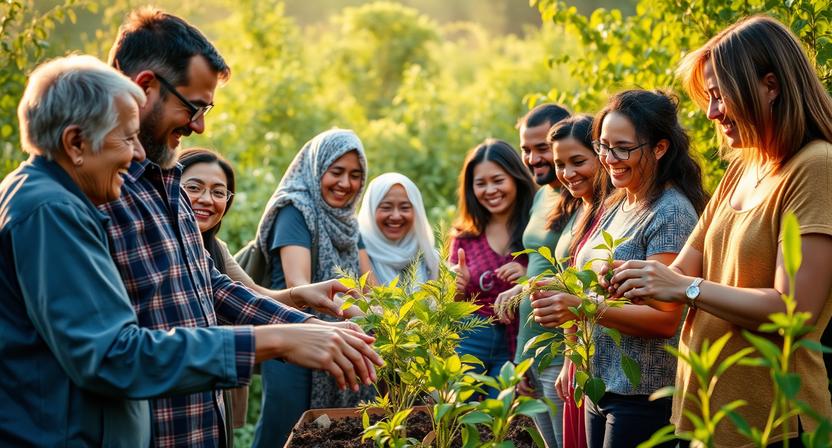
The environment affects nearly every part of human life, even though many people rarely think about it in their daily routines. The water used for cooking, the food purchased from stores, and the air breathed every moment all depend on healthy ecosystems. However, increasing environmental problems such as pollution, deforestation, and climate instability are placing growing pressure on these natural systems. Taking action to preserve the environment is in the best interests of all people because it improves public health, strengthens economies, secures resources, and helps communities remain stable in the future.
Many people assume environmental preservation is mainly about protecting animals or conserving forests. While wildlife protection is important, the effects of environmental damage extend far beyond nature. Environmental problems often influence people directly through rising healthcare costs, higher food prices, and increasing damage caused by natural disasters. Protecting ecosystems is ultimately about protecting the systems people depend on every day.
One of the strongest reasons for environmental action is public health. Air pollution remains a major issue in many parts of the world, contributing to breathing problems and long-term illnesses. Unsafe water supplies can spread disease, while excessive waste and pollution often create unhealthy living conditions. Rising temperatures and extreme weather events may also increase risks to vulnerable communities. Cleaner energy systems, reduced emissions, and better waste management can improve living standards while reducing health-related costs.
The economy also benefits from environmental preservation. Many industries depend directly on natural resources to survive. Agriculture relies on fertile soil and predictable weather patterns to produce food, while tourism often depends on clean beaches, national parks, and scenic landscapes. Fishing industries need healthy marine ecosystems to maintain productivity. Environmental destruction can increase costs for businesses and governments, especially after floods, storms, or droughts. At the same time, investment in renewable energy and sustainable technologies continues to create jobs and encourage innovation.
Food and water security are also deeply connected to environmental conditions. Without healthy ecosystems, producing enough food becomes increasingly difficult. Droughts, declining soil quality, and unpredictable weather can reduce harvests and drive up prices. Water shortages can create problems for households, farms, and businesses. By preserving forests, protecting water systems, and encouraging sustainable farming methods, societies can improve long-term resource stability.
Environmental protection also strengthens communities by reducing the risks associated with disasters. Wetlands help absorb floodwater, forests reduce erosion, and natural coastlines can limit damage caused by storms. Green spaces in cities can reduce heat and improve air quality, creating healthier environments for residents. Investing in natural systems often helps lower long-term recovery costs after severe weather events.
Across different communities and organizations, sustainability is becoming an increasingly important topic. Discussions involving HDI Six Nations have reflected broader conversations about balancing environmental responsibility with long-term development goals. These ideas highlight how environmental protection can support stronger communities and more stable economies rather than slow progress.
Many individuals believe solving environmental issues requires major sacrifices, but meaningful improvements often come from smaller actions repeated consistently. Conserving electricity, reducing plastic use, recycling waste, and supporting businesses with sustainable practices are all practical ways to contribute. Community efforts such as local clean-up programs and investments in cleaner public transportation can further support environmental progress.
Education also plays a major role in encouraging environmental awareness. People are often more willing to make sustainable choices when they understand how environmental issues affect health, jobs, and daily living. Schools, workplaces, and local leaders can all help encourage responsible habits and greater awareness of environmental challenges.
Protecting the environment is not simply about preserving natural beauty or protecting distant ecosystems. It is about maintaining the systems that make modern life possible. Ignoring environmental challenges may lead to greater costs, fewer resources, and larger risks in the future. Taking action now can help reduce those problems while improving living standards for communities around the world.
In the end, preserving the environment is in the best interests of all people because human well-being depends on a healthy planet. Cleaner air, reliable food systems, stronger economies, and safer communities are all benefits that come from environmental responsibility. By making sustainability a priority today, society can help create a better and more secure future for everyone.